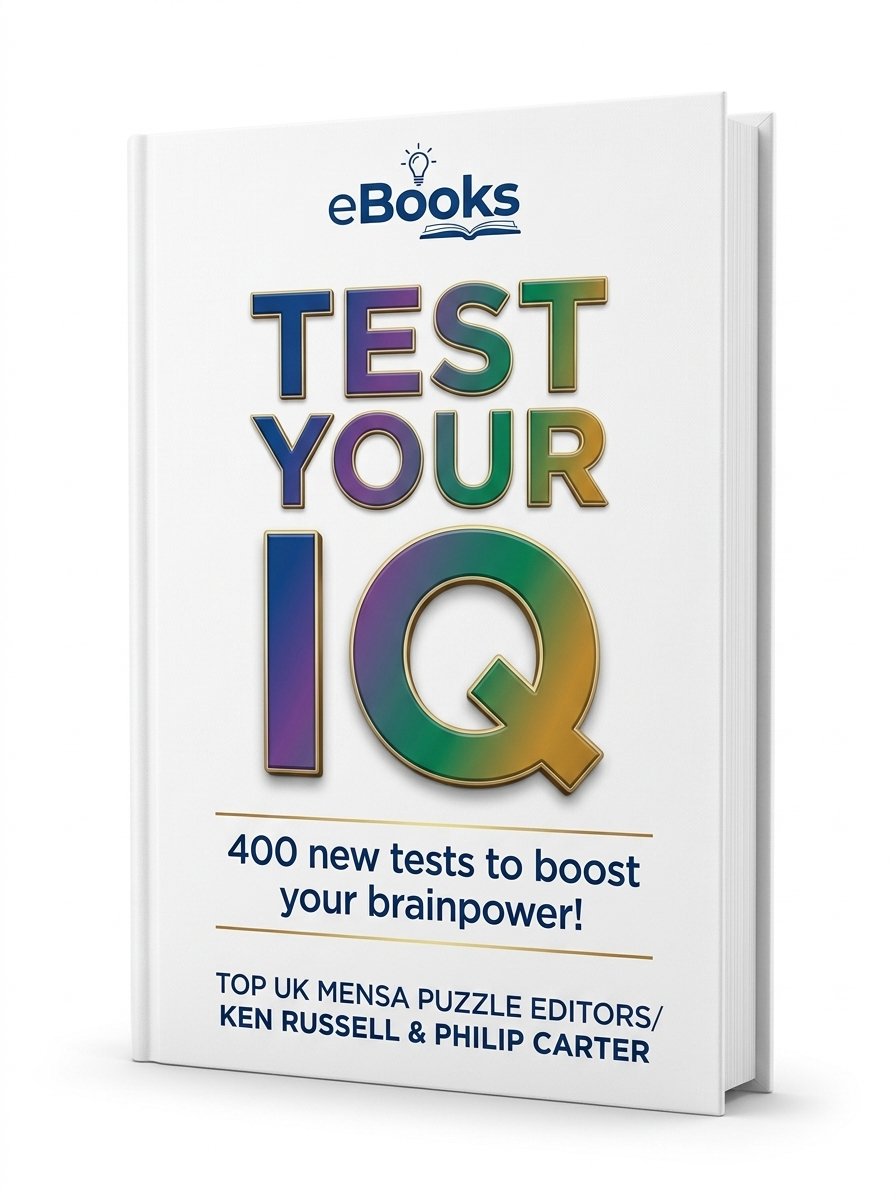
World Englishes: The Study of New Linguistic Varieties challenges the very idea of a universal IQ test. Most brainpower exams assume one standard English—usually British or American. But what if your IQ score changes depending on which English variety you speak? A question that is easy for a Singaporean English speaker might confuse a Jamaican English speaker, not due to intelligence, but due to grammatical differences. This article reimagines 400 new IQ tests through the lens of World Englishes. Each section below offers a different cognitive challenge rooted in linguistic variation, not deficit.
H2: Grammar Judgment Tests Across World Englishes
World Englishes: The Study of New Linguistic Varieties creates IQ tests where you judge sentences as “correct” or “incorrect” — but the answer depends on the variety specified. Example: Is “I am having two brothers” correct? In British English, no. In Indian English, yes. Another test: “She go to market yesterday.” Correct in Trinidadian English? Yes (no past tense marker). Correct in standard US English? No. Your IQ score reflects how many varieties you recognize, not how well you memorize one. These 100 tests boost brainpower by forcing cognitive flexibility. You cannot rely on a single grammar rulebook. Instead, you must switch between mental models rapidly. That is true intelligence.
H2: Vocabulary Inference Tests from Global Englishes
World Englishes: The Study of New Linguistic Varieties designs vocabulary tests where words have different meanings across regions. Question one: In Ghanaian English, what does “bastard” mean? (Answer: a mischievous but likable child, not an insult). Question two: In Philippine English, what is a “carnap”? (Answer: car theft). Question three: In Kenyan English, what does “piggy” mean? (Answer: a police officer). These 100 tests measure your ability to infer meaning from context, not from dictionary memorization. High IQ means guessing correctly when no single definition exists. You learn to treat each English variety as its own lexicon. Brainpower expands because you stop assuming universal meanings. Every word becomes a puzzle.
H3: Pragmatic Reasoning Tests Across Cultures
World Englishes: The Study of New Linguistic Varieties invents pragmatic IQ tests where politeness strategies differ. Question: In Singaporean English, is “Can or not?” rude or efficient? (Answer: efficient — directness is neutral). In British English, the same phrase might seem abrupt. Another test: In Nigerian English, saying “Sorry” after someone reports a minor delay is expected. In American English, “Sorry” implies fault. Your task: match each scenario to the correct variety’s pragmatic rule. These 100 tests measure emotional and social intelligence, not abstract logic. Brainpower grows when you understand that the same words carry different social weight. High scorers navigate World Englishes without causing offense. That is real-world IQ.
H2: Phonological Discrimination Tests for Listening IQ
World Englishes: The Study of New Linguistic Varieties offers listening tests where pronunciation changes meaning. Sample audio: A speaker says “tin” — but in Jamaican English, “tin” can mean “thing.” Another audio: “Three” pronounced as “tree” — correct in Caribbean and Nigerian Englishes. Your task: transcribe the intended word based on variety. One more: “Dis” for “this” in AAVE is standard, not an error. These 50 tests measure auditory processing across accents. High IQ means distinguishing phonetic variation from mistake. You train your ear to hear systematic differences, not sloppy speech. Brainpower increases because you learn to map sounds to multiple rule systems simultaneously. Listening becomes an active, intelligent process.
H2: Code-Switching Fluency Tests for Executive Function
World Englishes: The Study of New Linguistic Varieties designs the ultimate IQ challenge: code-switching tests. You read a paragraph that starts in Hong Kong English (“I go cinema yesterday”) and switches to Scottish English (“I didnae see ye there”). Then it switches to South African English (“Is it? Shame!”). Your task: identify each switch point and explain the grammatical shift. Another test: You hear a conversation where a speaker uses Kenyan English with friends, then shifts to British English with a boss. Your score measures speed and accuracy of switching. These 50 tests measure executive function, cognitive control, and metalinguistic awareness. High IQ in World Englishes means moving between systems without confusion. That is brainpower at its highest level.