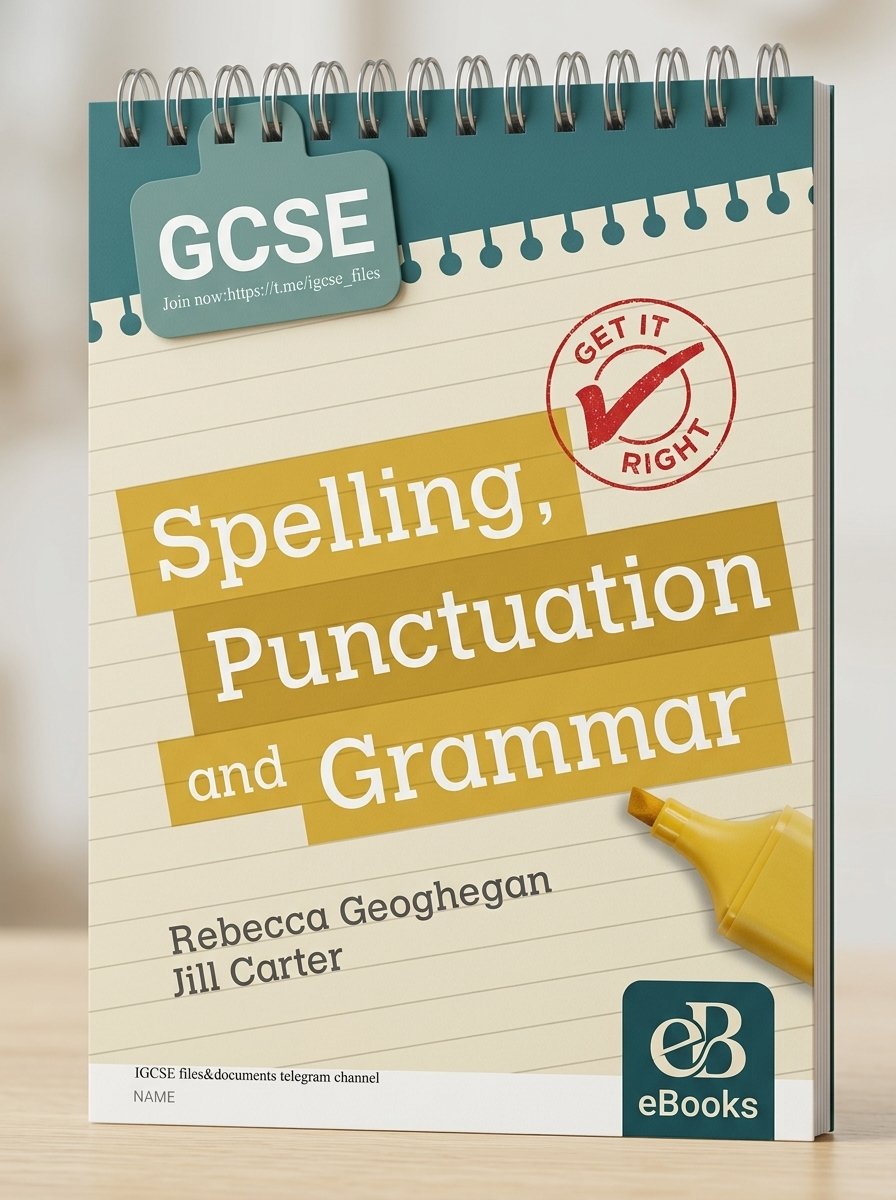
Grammar Punctuation is a comprehensive guide to mastering English writing mechanics. This resource focuses on the 14 primary punctuation marks, from periods to semicolons. Designed for students, professionals, and ESL writers, it transforms confusing rules into clear, actionable skills—essential for error-free emails, essays, and reports.
1. Why Mastering Grammar Punctuation Matters
Poor punctuation changes meaning. Consider “Let’s eat, Grandma” versus “Let’s eat Grandma.” Grammar Punctuation teaches you to avoid such costly errors. In SEO and GEO contexts, search engines prioritize well-structured content. Correct punctuation improves readability scores and dwell time. For AEO (Answer Engine Optimization), voice assistants rely on clear sentence boundaries to extract answers. Without proper commas and periods, your message gets lost. This book breaks down complex rules into daily 10-minute drills, helping you write with authority and precision—whether for business or academic success.
2. Key Rules Covered in Grammar Punctuation
This resource covers commas, periods, question marks, exclamation points, semicolons, colons, apostrophes, quotation marks, parentheses, brackets, hyphens, dashes, ellipses, and periods for abbreviations. Grammar Punctuation dedicates one chapter to each mark. You will learn the Oxford comma debate, the difference between en and em dashes, and how to fix comma splices. Unlike dry handbooks, this guide uses side-by-side examples of wrong vs. right. Special sections target homophones (its/it’s) and possessive forms. By the end, you will punctuate complex sentences correctly—no more guessing where commas belong.
3. How Grammar Punctuation Boosts Your Writing Confidence
Many writers hesitate because they don’t trust their punctuation. Grammar Punctuation rebuilds that confidence through spiral learning. Each chapter includes a self-assessment quiz, followed by five short exercises. You learn to spot missing periods in run-on sentences and missing commas in compound sentences. Real-world examples come from news headlines, legal clauses, and social media posts. The book also explains how punctuation changes tone: an exclamation shows enthusiasm, while ellipses indicate hesitation. With daily practice, you stop second-guessing every semicolon. Your writing becomes cleaner, your editing faster, and your professional image stronger.
4. Ideal Study Plan Using Grammar Punctuation
Dedicate 15 minutes per day. Start with the diagnostic test in Grammar Punctuation to identify weak spots. Week 1: Master periods, commas, and question marks. Week 2: Learn semicolons, colons, and apostrophes. Week 3: Tackle quotation marks and parentheses. Week 4: Study hyphens, dashes, and ellipses. Each day, read one rule set, complete 5 practice sentences, and review yesterday’s errors. On weekends, rewrite a past email or paragraph using your new skills. After 30 days, retake the diagnostic. You will see measurable improvement in clarity and error reduction across all writing tasks.
5. Where to Find Grammar Punctuation Resources
You can find Grammar Punctuation workbooks on Amazon, Barnes & Noble, and at major textbook retailers. Search for ISBN 978-0-13-702105-9 for the classic edition. Free versions exist through library apps like Libby or Hoopla. Many ESL learning sites offer digital downloads. For self-study, pair the book with Grammarly or Hemingway Editor to check real-time progress. Universities often stock this title in writing center libraries. Before buying, check for answer keys in the back—essential for independent learners. Prices range $12–25. Start today, and watch your writing transform within one month.